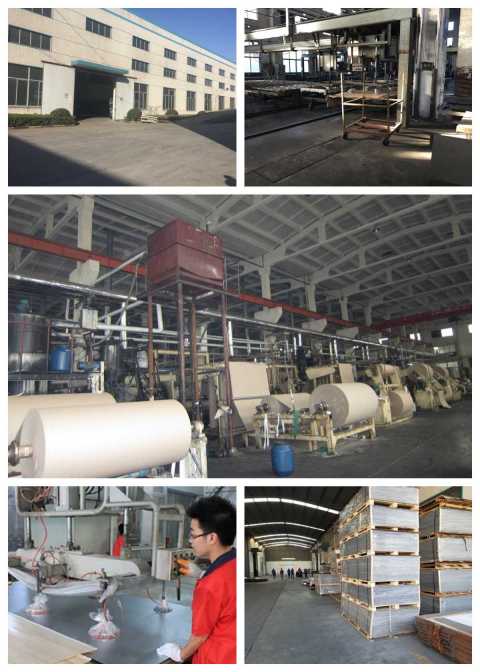
Phenolic countertops pros and cons
Phenolic countertops pros and cons area frequently discussed topic, and below we’ll explore its advantages and disadvantages.
Pros
- Resistant to conventional chemical reagents, suitable for basic experimental needs.
- Dense surface for easy cleaning—stains wipe off quickly, with low maintenance costs
- High cost-performance, priced lower than high-end materials like epoxy resin.
Cons
- Average scratch resistance, prone to scratches from sharp instruments with long-term use.
- Limited high-temperature resistance, cannot directly contact high-temperature utensils.
- Requires splicing during installation, and joints may pose contamination risks.
Feature
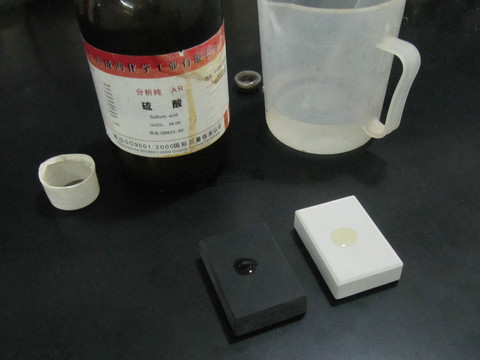
Chemical resistance: These boards have excellent chemical resistance. Their dense surfaces can withstand sulfuric acid and sodium hydroxide.
They are ideal for laboratories and medical workstations. Their high-pressure structure gives them strength.
Resistant Impact: They are resistant to impact.They are flame-retardant. They can tolerate short-term temperatures of 130°C. This balances safety and
cost-effectiveness.
Temperatures resistance:They will soften at temperatures above 180°C.
Moisture resistance:There are challenges in sealing joints for large areas. Sunlight and moisture may cause them to fade or swell.
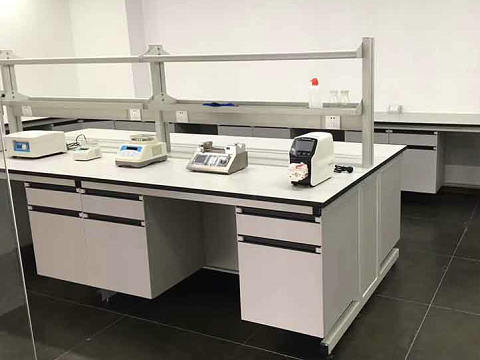
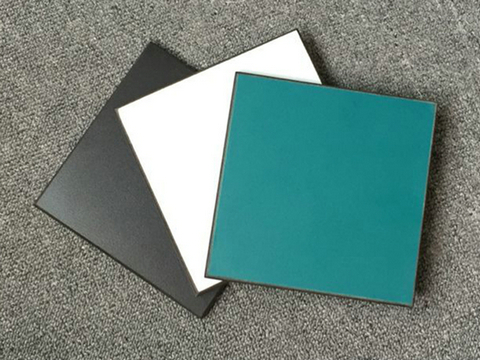
Phenolic resin worktops Specification
| Phenolic resin countertops | Low cost |
|---|---|
| Material | Phenolic resin |
| Size | As required |
| Thickness | 12.7 |
| Color | Black,grey,white |
| Surface finish | Matt |
| Density | 1.51 |
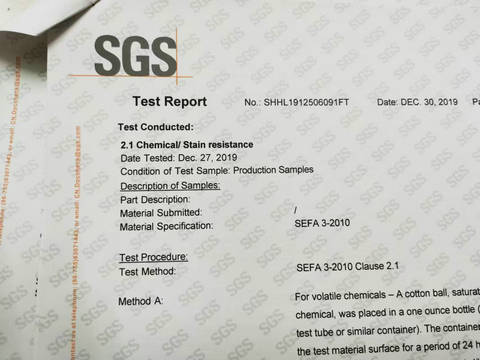
| SGS certificate | SEFA3-2010 |
| Mini order | 30 |
| Fabricating drawing | Requred |
chemical resistance
SGS certificate
a professional Phenolic resin countertops supplier